Engineered Hotel Casegoods & Resort Architectural Furniture
Select curated collections precision-fabricated with Grade-A teak hardwoods, marine-grade aluminum substructures, and performance-woven textiles for world-class hospitality properties.


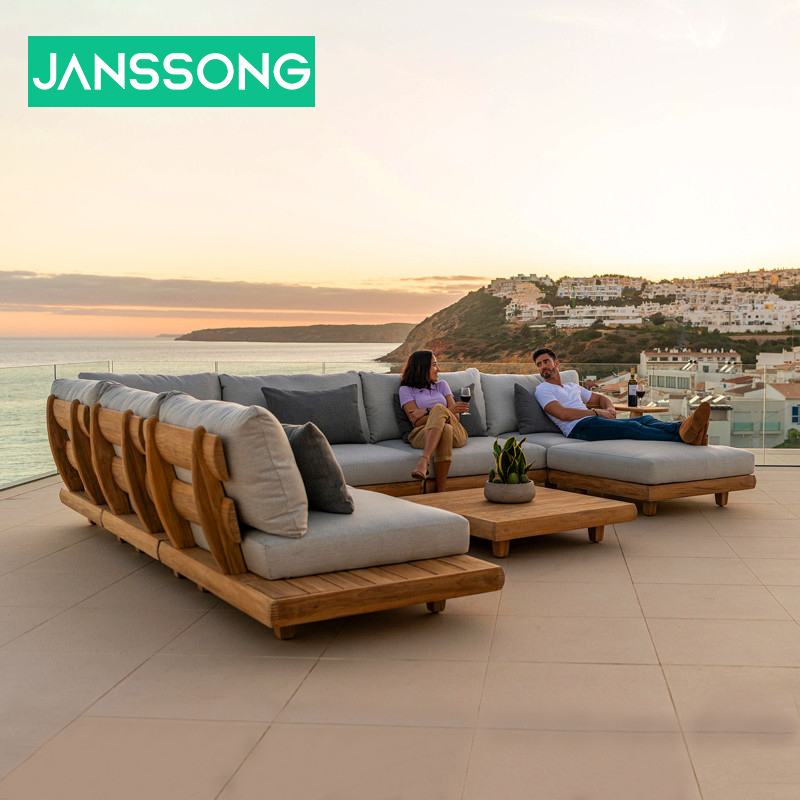

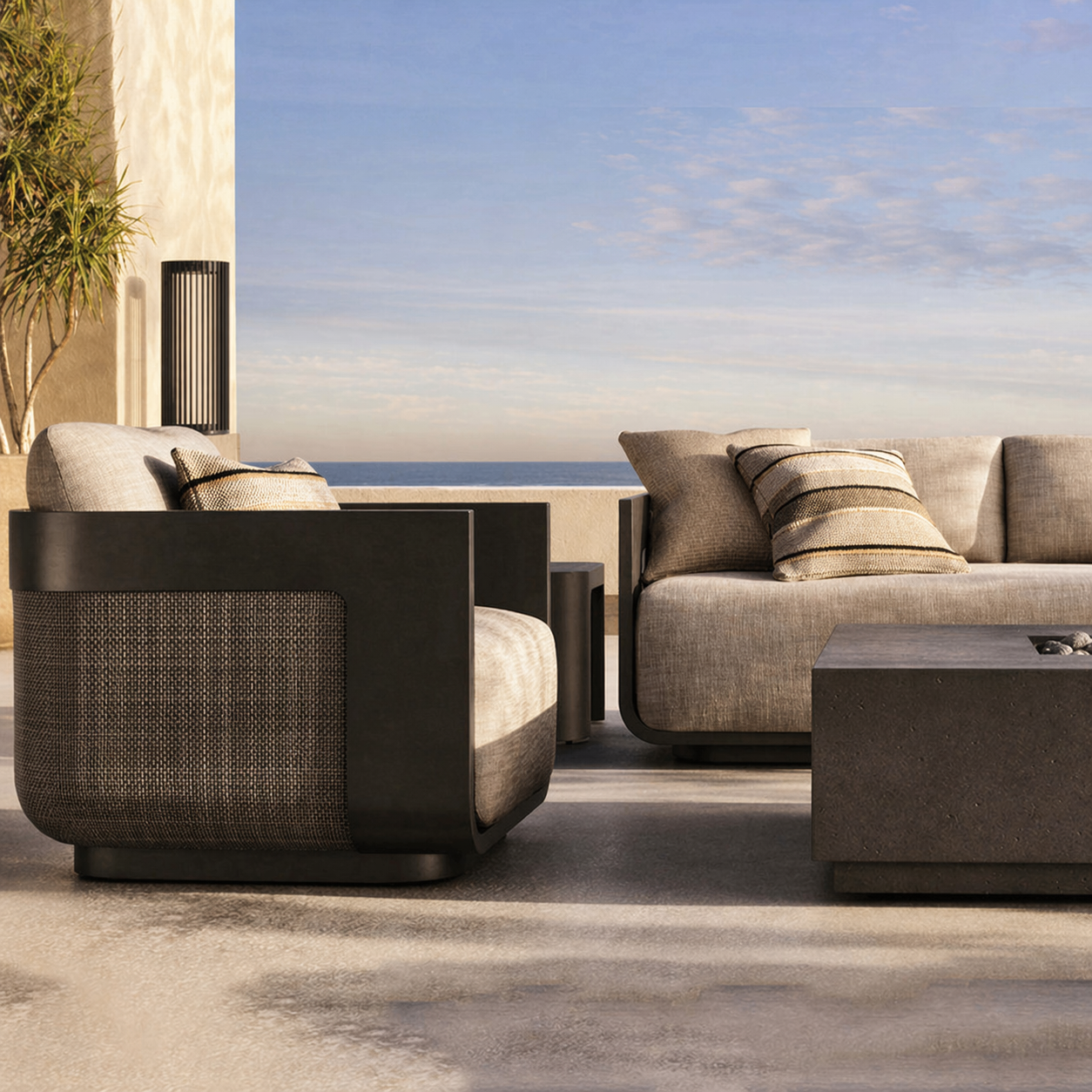
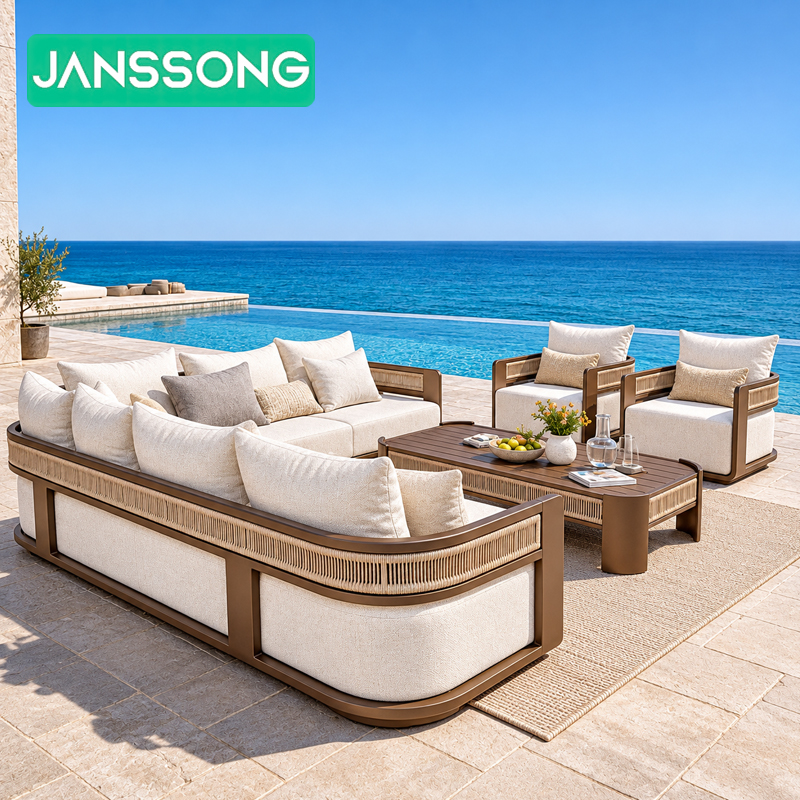
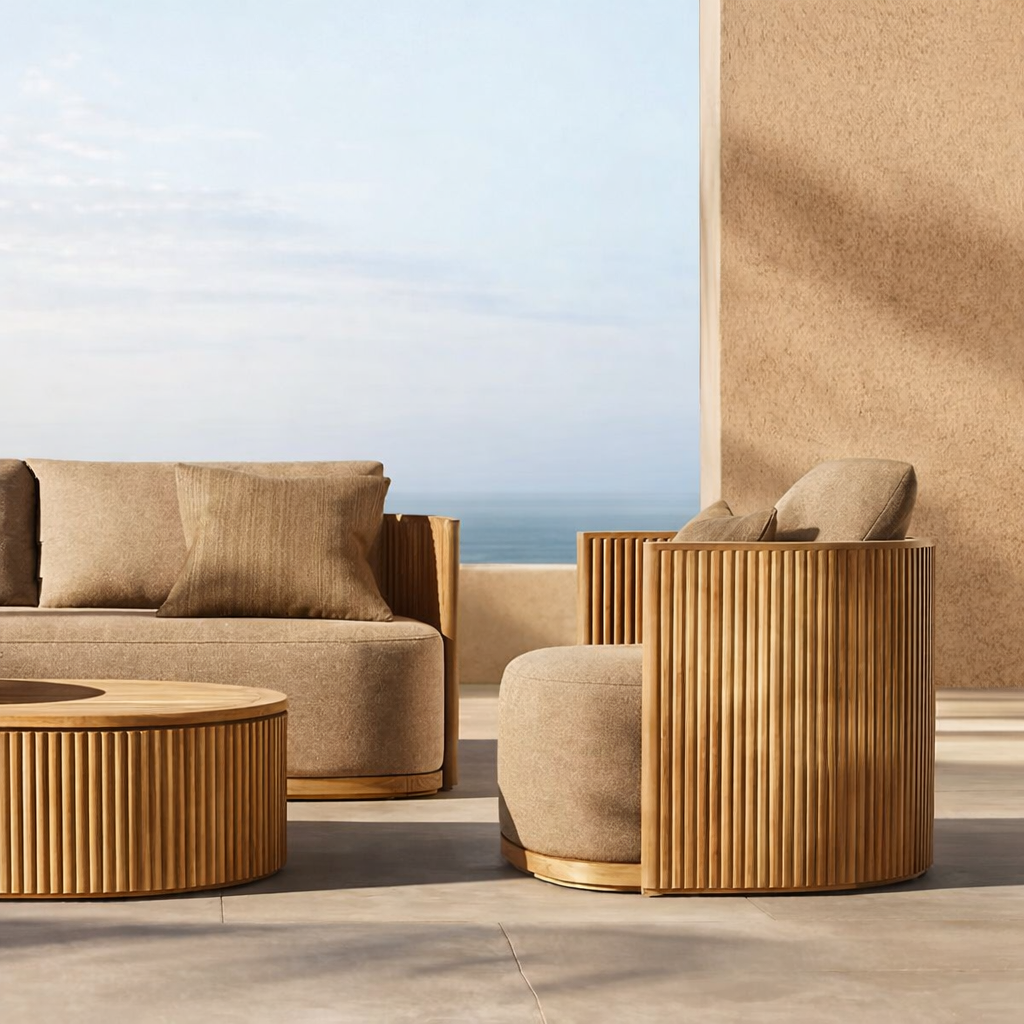

Navigating Hotel Casegoods Manufacturing in China
Hotel casegoods—spanning guestroom dressers, credenzas, headboard integration panels, bedside tables, and outdoor terrace cabinetry—represent the largest non-structural capital investment in hospitality FF&E.
In international contract hospitality procurement, selecting from the Top China Hotel Casegoods Manufacturers & Factories is not merely a negotiation over piece prices; it is a structural audit of joinery integrity, thermal deflection tolerance, moisture equilibrium management, and environmental surface finishing. As hotel brands modernize and the architectural boundary between guestrooms and outdoor patio living diminishes, casegoods fabrication demands unprecedented material resilience.
Located in Foshan—the epicenter of China's premier furniture production cluster—specialized OEM/ODM facilities execute precision joinery that balances Western contract commercial codes (such as ANSI/BIFMA X5.5, TB117-2013 flammability, and European EN 581 outdoor standards) with industrial manufacturing speed. From automated CNC timber milling to non-destructive ultrasonic testing of structural joints, Tier-1 Chinese casegoods producers have evolved into technological co-engineers for global hospitality brands.
Comparative Material Performance: Commercial Hospitality Casegoods
| Substrate / Joinery Class | Commercial Durability Benchmark | Moisture & Thermal Expansion Limits | Ideal Hospitality Placement | Lifecycle Assessment |
|---|---|---|---|---|
| Kiln-Dried Grade-A Teak | High natural oil density; impervious to dry-rot, fungi, and insect vectors | Moisture controlled to 8%–12% equilibrium to prevent shrinkage or warping | Open-air villa terraces, oceanfront pool lounges, high-humidity suites | 15–20+ Years with minimal oil refresh |
| Powder-Coated 6063 Aluminum | TIG full-seam welded; 1.5mm–2.0mm wall profile thickness | Zero water penetration; 2,000-hour ASTM B117 salt-spray resistant finish | High-traffic guestroom balconies, resort poolside, and beachfront dining | 10–15 Years maintenance-free |
| E1/CARB-2 Plywood Core + Veneer | Cross-laminated timber core; HPL or architectural wood veneer overlay | Veneered edge-banded with polyurethane moisture barriers (PUR Hotmelt) | Interior guestroom casegoods, integrated wardrobes, headboard units | 8–12 Years (hospitality standard cycle) |
| Olefin Marine Cord & Rope Weave | Continuous filament yarn; 500D-1200D density with high tensile break threshold | Hydrophobic pore structure; colorfast under ISO 105-B02 UV exposure > 2,000h | Resort seating case ensembles, wind-exposed rooftop solariums | 7–10 Years under harsh sunlight |
Future Procurement & Engineering Trends in Hotel Casegoods
Hospitality asset owners and FF&E directors must prepare their specifications for the next cycle of guest habits, sustainability mandates, and technical innovations.
Biophilic & Indoor-Outdoor Fluidity
Designers are eliminating the barrier between interior master suites and outdoor terraces. Casegoods now incorporate unified design languages: matching powder-coated aluminum framing, natural teak inlays, and textured rope weaves that travel seamlessly across the glass threshold without degrading under solar UV radiation.
Decarbonized Circular Sourcing
Hotel operators under strict ESG covenants demand low-VOC polyurethane finishes, CARB Phase 2 certified low-formaldehyde cores, FSC-certified responsible forestry chains, and recyclable non-ferrous aluminum alloys. Chinese tier-1 factories now provide full traceability certificates for international carbon tracking.
Smart Hospitality Tech Integration
Modern casegoods have transformed into interactive media hubs. Precision CNC milling creates concealed channels for Qi2 wireless rapid charging pads, low-profile ambient LED heat sinks, USB-C Power Delivery modules, and smart touch actuators designed into bedside pedestals and console tables.
Direct Manufacturing Capabilities & Structural Superiority
Located in Foshan, China's international hub of furniture engineering, our integrated facility executes full-lifecycle casegoods and contract outdoor production without intermediary subcontracting risk.
In-House Unified Workshops
We combine frame welding, multi-axis timber milling, precision teak curing, hand-weaving artisans, and upholstery under one direct supervision line. Project managers work directly with the factory floor, preventing multi-tier sub-supplier markups and technical communication errors.
Strict Commercial Materials
Using certified 6063 aerospace-grade aluminum alloy, Grade-A Burmese and plantation teak, premium olefin weaving rope, and Reticulated Quick-Dry open-cell foam covered with solution-dyed acrylic textiles resistant to direct sea salt, chlorine, and tropical rainfall.
Export Container Optimization
We perform 3D pre-loading simulations to engineer Knock-Down (K/D) and modular stack architectures without sacrificing commercial rigidity. Reinforced edge-guards, 7-ply export cartons, and waterproof inner liners protect investments while optimizing cubic meter utilization.
Frequently Asked Questions for Hotel Casegoods Procurement
Answers to critical questions regarding testing protocols, minimum order thresholds, custom finishes, and logistics coordination.