Engineered Commercial Hospitality Collections
Heavy-duty, contract-grade case goods, modular patio systems, and custom luggage lounge solutions tailored for four-star and five-star hospitality brands.

Villa Outdoor Furniture Sofa Patio Outdoor Furniture Garden Sofa Set Luxury Resort Outdoor Furniture Hotel Aluminum Outdoor Sofa

Luxury Bedroom Solid Wood Bed Modern Hotel Interior Solid Wood Furniture Villa Apartment Bedroom Furniture Sets Bedroom Set

High Quality Custom Luxury Beach Cabana Patio Waterproof Durable Aluminum Garden Bed Modern Swimming Pool Outdoor Daybed


Luxury Villa Woven Garden Sofa Set Waterproof Patio Furniture Outdoor Sofa Hotel Resort Courtyard Garden Set Sectional Sofa Set
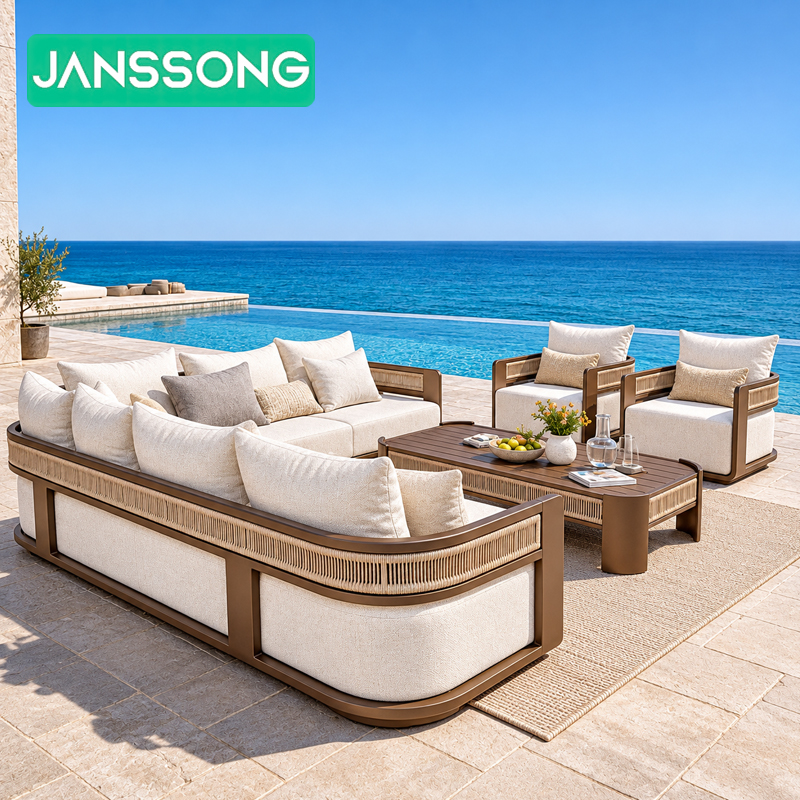
Modern Villa Aluminum Rope Woven Outdoor Sofa Set Waterproof Patio Furniture Hotel Resort Courtyard Garden Set Garden Sofa Set

All-weather Beach Lounge Rattan Patio Outdoor Canopy Furniture Pool Adjustable Leisure Sofa Bed Waterproof Quick-drying Daybed
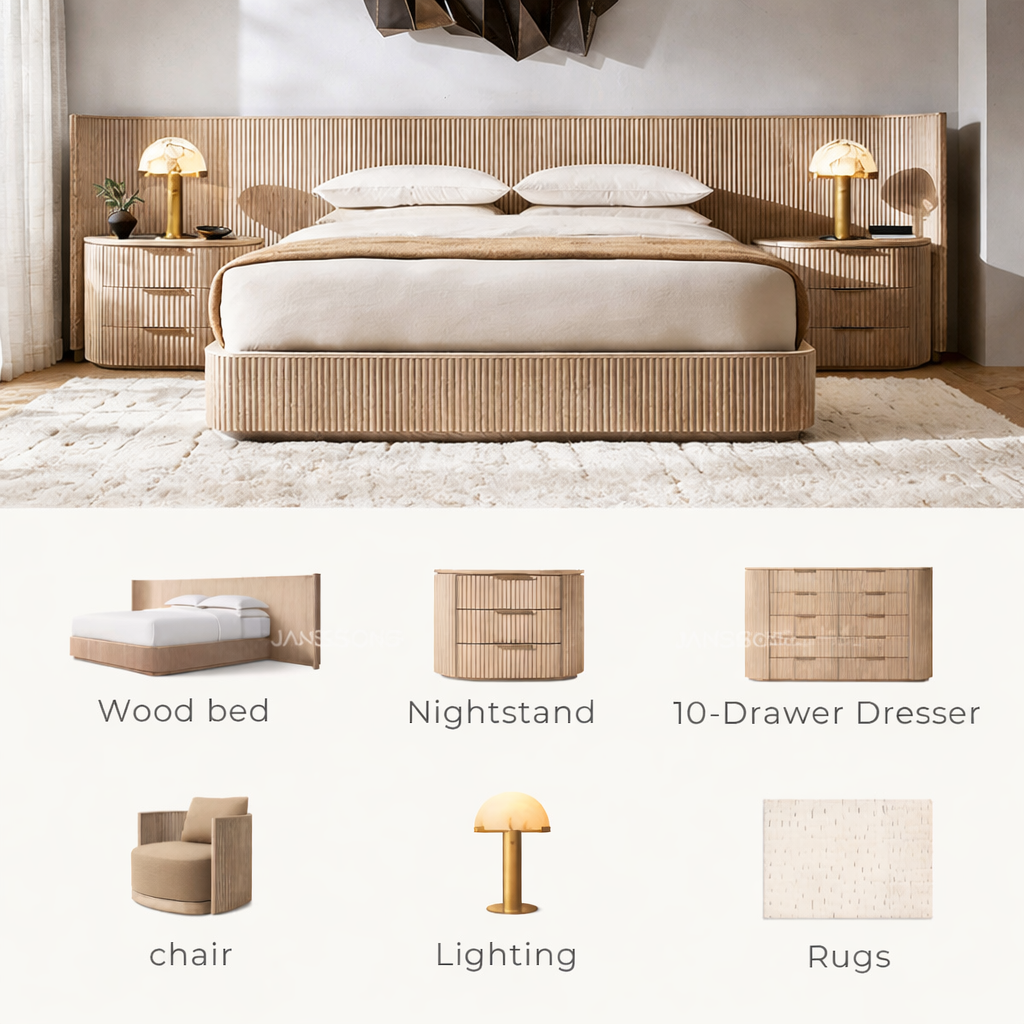
Villa Comfortable Wooden Bed Set Indoor Furniture Bedroom Set Five-star Hotel Bedroom Bed Resort Bedroom Furniture Set Oak Bed
Engineering High-Traffic Luggage Benches: Structural Mechanics & FF&E Economics
In modern commercial hospitality operations, hotel luggage benches represent one of the most mechanically challenged FF&E (Furniture, Fixtures, and Equipment) assets in a guestroom layout. Frequently subjected to concentrated dynamic impact loads ranging from 45 kg to 120 kg, high-frequency abrasions from metal luggage studs, corner scuffs, and chemical exposure from daily sanitizing detergents, an improperly specified luggage bench rapidly deteriorates into a brand liability. For procurement managers, interior designers, and hotel asset owners, achieving a balance between high-end aesthetic resonance and a 10-year operational lifecycle requires a profound technical understanding of joinery, metallurgy, surface finishes, and ergonomic clearances.
Dynamic force dissipation in luggage racks and benches is governed by shear stress distribution across the base frame. While residential furniture relies on basic dowel or simple mortise-and-tenon connections, commercial-grade luggage benches demand reinforced multi-point mortise-and-tenon joinery with integrated structural steel corner brackets or heavy-duty, robotic TIG-welded structural aluminum and stainless steel chassis. The integration of high-impact bumpers, recessed brass runners, or marine-grade polyurethane top slats prevents direct contact between luggage luggage casings and delicate wood veneers, preserving the integrity of the room’s aesthetic over hundreds of check-ins.
Top 10 Hotel Luggage Benches Factories & Specialized Suppliers
An authoritative industry evaluation based on production output, custom engineering capability, structural testing protocols, and global export reliability.
Foshan Yudek Furniture Co., Ltd.
- In-house 3D CAD/BIM prototyping and layout optimization
- Kiln-dried hardwood, Grade-A teak, and structural aluminum alloy
- 100% pre-shipment structural stress & finish testing
Foshan Master Hospitality Casegoods
- Automated CNC multi-axis joinery profiling
- Standard 200kg static load-bearing certifications
Zhejiang Horizon Hotel Products
- PVD titanium vacuum coating in champagne/rose gold
- Fire-resistant ballistic nylon webbing straps
B&B Contract Italia SpA
- Exclusive finishes for ultra-luxury suites
- Strict compliance with European EN 16139 standards
Kimball Hospitality Works
- High-pressure laminate top surface protection
- Rapid replenishment programs for franchise owners
Gärsnäs Contract Furnishings
- FSC 100% certified Scandinavian timber
- Circular design and complete disassembly ready
PT Jansen Indonesia Timber
- Salt-mist and extreme humidity tested joinery
- Handcrafted detailing tailored for private villas
Sollos Contract & Design
- Highly customizable architectural dimensions
- Low-VOC polyurethane anti-yellowing finishes
Kusch+Co Contract Seating
- DIN EN 1728 certified impact-resistance ratings
- Modular sub-component field replacement systems
Vietnam Grandwood Hospitality
- High-volume standard container pricing
- Advanced automated UV-curing finish lines
Future Sourcing & Manufacturing Trends (2025–2030)
How technological integration, space optimization, and decarbonization mandates are reshaping luggage bench engineering.
IoT & Wireless Sensor Integration
Next-generation luxury luggage benches are incorporating integrated wireless fast-charging pads, embedded luggage weight sensors for guest convenience, and subtle warm LED motion-activated floor pathfinding lights for nighttime safety.
Micro-Footprint & Modular Casegoods
With urban hotel guestrooms optimizing floor areas to 18–24 square meters, standalone bulky furniture is yielding to wall-mounted cantilevered consoles, drop-leaf folding platforms, and combined vanity-wardrobe-luggage hybrid systems.
Circular Economy & Carbon Neutrality
Major operators require verified Environmental Product Declarations (EPD). Modern designs prioritize zero-formaldehyde adhesives, waterborne polyurethane topcoats, and mechanical fastener assemblies that permit easy component recycling.
Why Direct Procurement from Foshan Yudek Ensures Project Success
Combining an in-house design studio with comprehensive frame welding, kiln-dried timber processing, precision rope weaving, and architectural cushion sewing under one accountable roof.
One-Stop Supply Chain
Eliminate project delays and markup layers. We handle design, engineering, metalwork, carpentry, finishing, and export packing completely in-house.
Commercial-Grade Materials
Every piece uses powder-coated aircraft-grade aluminum, Grade-A Burmese teak, solution-dyed UV fabrics, and quick-dry open-cell reticulated foams.
Export-Ready Engineering
Optimized K/D (knock-down) systems and reinforced honeycomb protective export cartons maximize 40HQ container cube utilization while eliminating transit impact damage.
Complete Project FF&E Support
We work directly alongside interior designers and project PMs, providing CAD shop drawings, material master boards, and physical pre-production mockups.
Commercial Luggage Bench Procurement: Critical Questions Answered
Essential guidance addressing engineering tolerances, moisture protection, finish standards, and container logistics.
What load-bearing ratings are mandatory for commercial hotel luggage benches?
Hospitality brand standards require luggage benches to withstand a static uniform load of no less than 150 kg (330 lbs) and a dynamic drop impact test of 50 kg dropped from 150 mm without structural joint failure or micro-cracking in the primary chassis.
How do you protect wall surfaces behind luggage benches from impact marks?
Best-practice specifications demand an integrated wood or upholstered backrest panel, protective vertical rubber bumpers, or a built-in 50 mm standoff frame that prevents heavy hard-shell suitcase corners from impacting delicate wall coverings.
What is the standard Minimum Order Quantity (MOQ) for custom hospitality orders?
Our flexible manufacturing setup accommodates full hotel FF&E project packages. For custom bespoke OEM designs, MOQ is typically 30 to 50 pieces per model, or mixed models within a standard 20GP or 40HQ export shipping container.
What finishes best prevent scratches from heavy aluminum suitcase corners?
We recommend solid stainless steel or brushed brass protective top inlay rails, high-pressure phenolic laminates (HPL) rated at AC4/AC5 abrasion resistance, or marine-grade conversion varnishes with anti-scratch additives over solid timber slats.
How does moisture content control prevent cracking during international shipping?
All natural hardwoods (such as Oak, Ash, Beech, and Teak) undergo vacuum kiln-drying to precisely 8%–10% equilibrium moisture content (EMC), matched to the HVAC environments of North American and European guestrooms, preventing seasonal warping.
What is the standard production lead time for a 300-room property conversion?
Standard production lead time is 35 to 45 days following approval of physical shop mockups and finish boards, with split-container phased ocean shipping coordinated precisely with your general contractor's project installation schedule.
Request Engineering Drawings & Factory Price Matrix
Contact our specialized hospitality FF&E project engineering team to review technical drawings, request wood and fabric sample swatches, or schedule a virtual live factory audit.
Get Catalog