Architectural Millwork & Integrated Hospitality Joinery
Precision-Engineered Hotel Wardrobe Systems Designed for Commercial Durability, Guest Ergonomics, and Seamless Site Fit-Out
In contemporary international hospitality architecture, guestroom casework can no longer be approached merely as static freestanding casegoods. Hotel wardrobes, armoires, and walk-in open-plan closets represent the most structurally abused touchpoints within the guestroom envelope. Balancing high-frequency lifecycle utilization, strict acoustic thresholds, integrated micro-electronics, digital locking safes, minibar ventilation, and ambient indirect lighting requires a holistic engineering approach. Operating from China's primary furniture manufacturing industrial cluster in Foshan, our manufacturing facility stands as an elite-tier partner for international general contractors, interior architecture practices, and purchasing procurement consortia.
Whether engineering E1/CARB P2 moisture-resistant particleboards, zero-formaldehyde plywood cores, authentic Grade-A plantation teak veneers, or high-pressure laminates (HPL) with antimicrobial protection, every square millimeter of joinery is engineered to mitigate lifecycle depreciation. This industry whitepaper outlines the structural evolutions, technical specifications, sustainability benchmarks, and international procurement methodologies that define leading wardrobe and casework manufacturing protocols for luxury resort and hotel destinations worldwide.
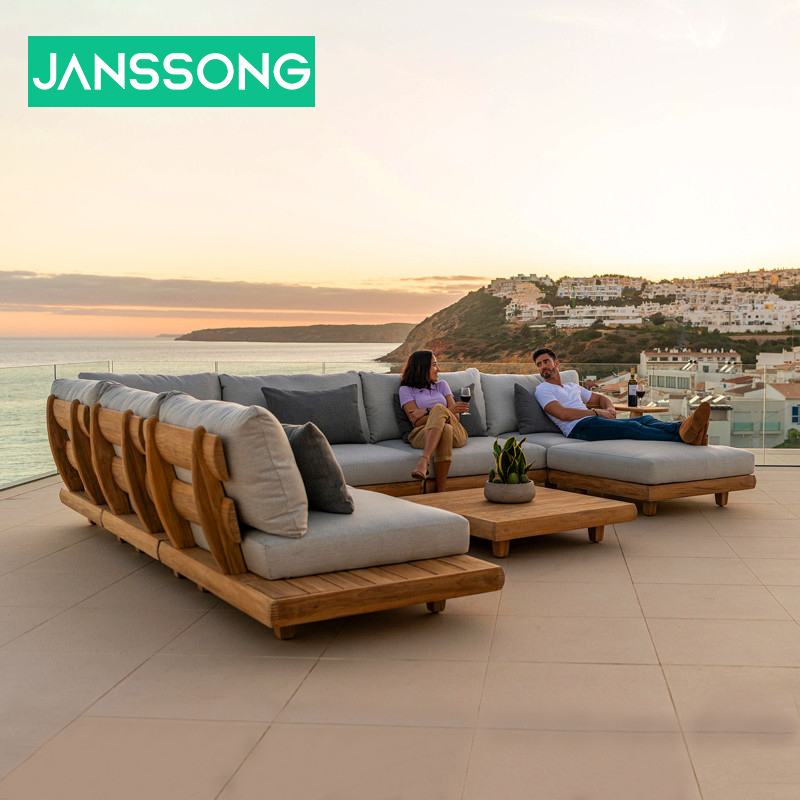
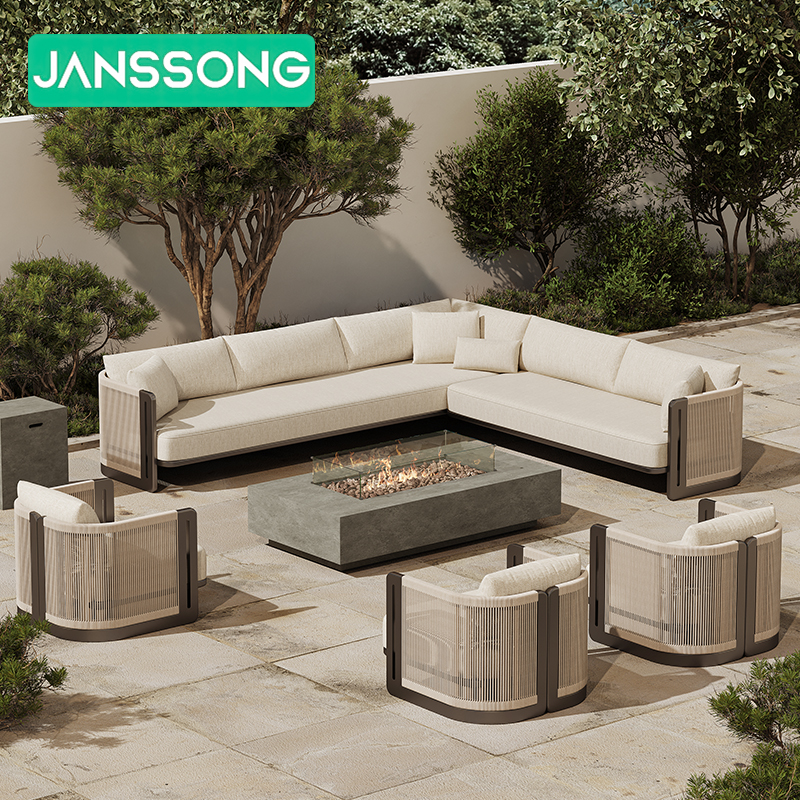
Featured Hospitality Wardrobe & Joinery Collections
Explore contract-grade casegoods, wardrobe configurations, and resort patio collections ready for custom specification



Future Hotel Wardrobe Procurement Trends (2025–2030)
Strategic Shifts in Sustainable Sourcing, Modular Prefabrication, and Integrated Digital Guestroom Systems
Open-Concept Modular Wardrobes
Modern lifestyle and boutique brands are phasing out monolithic, dark closed wardrobes in favor of open-concept architectural frameworks. Utilizing structural anodized aluminum post-systems combined with integrated solid wood luggage benches, this trend eliminates left-behind guest personal belongings, optimizes housekeeping turnaround cycles, and dramatically improves visual room clearance in urban hotel micro-suites.
Integrated Micro-Electronics & Smart LED
Wardrobes are becoming interactive electronic centers. Contract specifications now demand pre-channeled 24V LED strip channels with magnetic micro-switches, hidden wireless induction phone chargers, integrated biometric room safes, and actively ventilated minibar compartments with thermal relief channels. Engineering factory-installed wire runs ensures absolute compliance with regional electrical codes (CE, UL, RoHS).
Circular Economy & Carbon Neutrality
Institutional hotel developers are mandating verifiable Scope 3 emission controls. Procurement contracts require FSC-certified timber substrates, plant-based waterborne lacquers with zero volatile organic compound (VOC) emissions, and fully demountable hardware fasteners that allow 100% recycling or circular component retrofitting at the hotel's 7-to-10-year property improvement plan (PIP) lifecycle.
Engineering Paradigms in Modern Hotel Casework
How precision Chinese manufacturing eliminates moisture warping, acoustic rattling, and hardware failure
The physical operational environment of a hotel wardrobe is uniquely brutal. Unlike residential storage furniture, commercial casework faces continuous humidity variations driven by fluctuating HVAC systems, aggressive impacts from heavy wheeled luggage, and constant pull-push cycling on sliding mechanisms. Leading Chinese wardrobe exporters have surpassed traditional woodworking methods through the integration of German CNC machining centers, robotic edge-banding, and custom hardware engineering.
A premier quality benchmark lies in edge treatment. Standard commercial EVA adhesives are prone to delamination when exposed to ambient moisture from adjoining en-suite bathrooms. Our factory implements advanced PUR (Polyurethane Reactive) and Hot-Air Zero-Joint edge-banding protocols, forming an impervious hermetic seal that prevents water-vapor expansion in particleboard and MDF cores. Additionally, concealed heavy-duty sliding tracks with integrated soft-closing hydraulic dampers are cycle-tested up to 100,000 repetitions under full commercial load conditions.
| Technical Parameter | Commercial Hotel Standard (Standard 3-4 Star) | Luxury Architectural Grade (5-Star / Resort Spec) | Factory Compliance Standard |
|---|---|---|---|
| Core Substrates | E1 Grade Moisture-Resistant MDF / PB | CARB P2 Multi-layer Solid Birch Core Plywood | EN 13986 / CARB Title VI Compliant |
| Surface Finishes | 0.8mm High Pressure Laminate (HPL) | 0.6mm Natural Teak/Walnut Veneer + PU Coat | ISO 4586 Scratch & Stain Resistance |
| Edge Banding Technology | 1.5mm PVC via Standard EVA Hot-Melt | 2.0mm ABS / Laser PUR Zero-Joint Sealing | DIN 68765 Waterproof Moisture Seal |
| Sliding Door Hardware | Top-hung rail system, nylon ball bearings | Recessed bottom-roller, dual soft-close damper | EN 15338 Grade 3 Durability (100k Cycles) |
| Integrated Lighting | Manual battery puck lighting | Recessed 3000K 24V CRI>90 LED strip with sensor | CE / UL Certified with Concealed Conduit |
Why Partner with Foshan Yudek Furniture Co., Ltd.
Direct manufacturer accountability, integrated supply chain clusters, and verified international delivery credentials
Foshan Industrial Epicenter
Located at the center of the world's most consolidated furniture manufacturing cluster, we integrate timber drying, CNC milling, metal welding, powder coating, and packaging directly on-site to reduce procurement lead times.
In-House CAD/BIM Detailing
Our engineering team converts client concept renderings and interior architectural blueprints into shop drawings, cutting tickets, and MEP integration layouts, mitigating field installation errors before site fit-out.
Commercial Material Curation
Specializing in Grade-A teak hardwoods, marine-grade powder-coated aluminum, and UV-stable rope weavings, our materials cross seamlessly between interior luxury joinery and exterior resort terrace casework.
Export-Grade K/D Packaging
Every casework unit undergoes custom flat-pack or knock-down (K/D) packaging design with honeycomb edge protection, high-density foam buffers, and sea-freight container volume optimization to lower shipping overhead.
Verified Corporate Transparency & Trade Records
Third-party authenticated factory audits, performance metrics, and corporate accountability
Credit Report
Verified Enterprise Entity
Transaction Level
Tier-1 Contract Execution
Trade History
50+ Global Port Shipments
Trade Capacity
Annual High-Volume Output
Buyer Feedback
Global Client Approval
Hospitality Wardrobe Procurement FAQ
Technical guidance for hotel owners, FF&E procurement specialists, and commercial interior designers
Q: How do you prevent wardrobe doors from warping in tropical resort environments?
Door warping is typically caused by differential moisture absorption between interior and exterior faces. We resolve this by incorporating internal aluminum door tensioners/straighteners routed vertically into the core. Furthermore, balanced substrate balancing sheets (identical backing veneers/laminates) and PUR hot-melt edge sealing ensure moisture vapor cannot penetrate core materials.
Q: What is the Minimum Order Quantity (MOQ) for custom bespoke joinery projects?
For fully bespoke hotel casegoods, our standard MOQ is generally 20 to 30 guestroom sets (or a consolidated 20GP container equivalent). For larger resort projects, we produce pre-production mock-up room samples (MOCK-UP) for designer and owner sign-off prior to releasing mass production runs.
Q: Can factory casework integrate local electrical and fire code specifications?
Yes. Our engineering shop drawings explicitly design internal wire management channels, ventilated battery or transformer junction boxes, and low-smoke zero-halogen cabling. Substrate materials can be treated with fire-retardant Class 0/Class 1 (BS 476 Part 6/7) or ASTM E84 flame spread ratings upon project request.
Q: How does knock-down (K/D) furniture arrive, and how is installation managed?
Our wardrobes utilize precision eccentric cam-lock connections, pre-inserted metal dowels, and CNC-drilled systemic holes that enable rapid on-site assembly with zero field carpentry. Each crate includes step-by-step 3D exploded assembly manuals, numbered packaging labels corresponding to room schedules, and extra spare hardware packs.
Ready to Engineer Your Hospitality Wardrobe & Joinery Package?
Collaborate directly with our engineering workshop in Foshan. Submit your FF&E specification sheets, architectural elevations, or tender bill of quantities (BOQ) for technical feasibility reviews and competitive factory-direct pricing.
Get Catalog