A hotel room is judged through small, repeated encounters. A guest pulls open a wardrobe, sits on the desk chair, or sets a suitcase beside the bed. If a drawer sticks or a chair wobbles, the room can feel neglected. These details matter. Designer Charles Eames captured their importance: “The details are not the details. They make the design.”
For hotel buyers, Hotel Furniture is more than a visual choice. Well-built pieces can withstand frequent use, support guest comfort, and help rooms retain a consistent appearance between renovations. A sturdy bed frame, smooth drawer runners, and upholstery that cleans easily may reduce maintenance demands over time. Yet “quality” is not a guarantee of value by itself. A premium finish can still be wrong for a busy property, and durable furniture can feel uncomfortable if its proportions are poorly considered.
The decision needs evidence. Buyers can compare materials, construction methods, warranty terms, and replacement-part availability. They can also request samples and test chair comfort, drawer movement, and surface resistance before placing a large order. Ask how the pieces will perform under the property’s actual cleaning routines and occupancy levels. Then consider the room’s style and the guests who use it. There is no perfect specification. Even careful buyers may miss a detail. But thoughtful evaluation makes it more likely that Hotel Furniture will serve guests well, look appropriate, and remain useful beyond the first season.
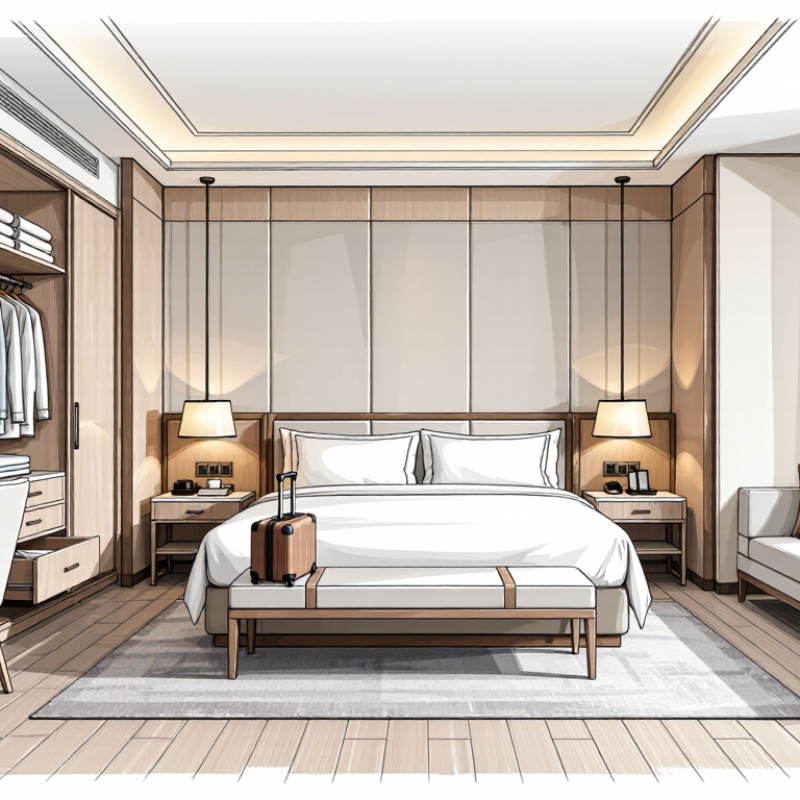
Quality hotel furniture is not simply heavy or expensive. It stays stable, comfortable, and presentable through repeated guest use. A chair should feel balanced when someone sits near its edge. Drawer runners should move smoothly, while bedside surfaces resist routine spills and cleaning. Upholstery needs tight seams, even tension, and fabrics that do not quickly snag or fade. Materials and construction matter, but so does repairability. Replaceable feet, accessible fasteners, and standard components can extend service life and reduce disruption.
In practice, quality also depends on fit. A sturdy desk can still be a poor choice if it blocks luggage space or makes the room feel cramped. Check dimensions, finish samples, edge details, and warranties; then ask how parts can be repaired. One showroom test is not enough. Housekeeping staff may notice loose handles or difficult-to-clean joints before buyers do. Details matter. No checklist catches everything, and durability claims deserve verification.
Tips: Test a sample under realistic use. Sit, open drawers, inspect seams, and wipe the finish with suitable cleaning products. Ask staff to review maintenance access. Keep a small allowance for wear; even well-made furniture will show it.
Why Should Buyers Invest in Quality Hotel Furniture?
Which Materials and Construction Standards Matter Most?
Hotel furniture must handle rolling suitcases, damp towels, daily cleaning, and repeated use. Material choices affect both appearance and replacement costs. The 2024 J.D. Power North America Hotel Guest Satisfaction Index Study reported average satisfaction of 699 points out of 1,000. The score does not isolate furniture, but it underlines how room conditions shape guest impressions. For upholstery, request abrasion-test results using a named method, such as ASTM D4157, rather than accepting “commercial grade” alone. Check that fabric resists stains and cleaning agents used by housekeeping. Solid hardwood or quality plywood frames can suit different budgets; inspect joints, screw reinforcement, and edge finishing. A smooth sample can hide weak construction.
Standards matter. Ask suppliers for test documentation relevant to each item, such as applicable BIFMA seating standards, and confirm the tested model matches the proposed product. For beds and case goods, check load capacity, fastening methods, drawer cycles, and finish durability. Thin veneer may chip at luggage-contact points. Metal legs can loosen if fasteners are difficult to reach. No finish is invincible. Buyers should review samples after cleaning trials and consider local repair access before approving a specification.
Tips: Test a chair, drawer, and tabletop with real housekeeping routines. Keep spare upholstery swatches for future repairs. Compare total ownership cost, not just the quoted price.
| Furniture area | Material or construction choice | What buyers should check | Relevant test or reference | Why it matters in a hotel |
|---|---|---|---|---|
| Guest-room casegoods Desks, nightstands, wardrobes |
Commercial-grade plywood or a well-made engineered-wood panel with a durable decorative surface. Solid wood can be used for exposed edges and structural parts. | Ask for panel specifications, edge-sealing details, hardware load ratings, and samples of finished edges. Check that joints are reinforced and that drawers open smoothly under load. | Review the applicable panel-product and furniture test documentation for the intended market; there is no single universal test that covers every casegood. | Strong panels, protected edges, and serviceable hardware help reduce loosening, swelling, chips, and premature replacement. |
| Wood frames and components Chair frames, table bases, bed components |
Selected solid wood or engineered wood designed for the part’s structural role. Moisture content and wood movement should be considered for the local climate and indoor conditions. | Check species and grade where relevant, moisture-control procedures, joint design, and whether components are suitable for repeated commercial use. Avoid relying on appearance alone to judge strength. | Request the supplier’s material and quality-control records; test requirements depend on the furniture type and destination market. | Appropriate material selection and controlled fabrication help limit warping, splitting, and joint failure. |
| Upholstered seating Lobby chairs, lounge seating, headboards |
Commercial upholstery fabric or coated covering paired with resilient flexible foam and a properly supported frame. | Specify cleaning method, stain resistance where needed, seam construction, replacement-cover options, and test results for the exact fabric. Select foam for the intended comfort and use rather than relying on density alone. | ISO 12947-2 covers determination of fabric abrasion resistance using the Martindale method. ASTM D3574 includes test methods for flexible cellular materials. Set project-specific performance limits. | Tested, maintainable upholstery can better withstand frequent use and cleaning while allowing worn covers or cushions to be renewed. |
| Seating frames and joints Dining, desk, and public-area chairs |
Frames made from suitable metal, solid wood, or engineered components, with securely fastened and repairable joints. | Confirm that testing applies to the complete chair model and its intended use. Review load-bearing connections, leg stability, fasteners, and the availability of replacement glides and parts. | EN 16139 addresses strength, durability, and safety requirements for non-domestic seating. EN 1022 addresses stability of seating; check the applicable edition and category. | Commercial seating is exposed to repeated sitting, shifting, and movement. Relevant full-product testing gives buyers stronger evidence than component claims alone. |
| Table tops and work surfaces Guest-room desks, dining and meeting tables |
Choose a surface finish suited to expected abrasion, heat, moisture, and cleaning chemicals. Protect exposed edges and provide a stable, appropriately sized support structure. | Review cleaning instructions and test evidence for the finished surface, not just the raw material. Check edge treatment, attachment method, and resistance to routine spills. | Request applicable surface-performance test reports and confirm that the tested finish matches the supplied product. | Durable finishes and sealed edges help preserve appearance and make routine housekeeping easier. |
| Metal frames and hardware Bed bases, table frames, drawer slides, hinges |
Metal components with suitable corrosion protection and hardware selected for the actual load and frequency of use. | Check coating coverage, weld quality, fastener access, hardware cycle or load data, and whether damaged parts can be replaced without discarding the whole item. | Use relevant coating, corrosion, or hardware test documentation for the specified material and environment; requirements vary by product and location. | Protected metal and replaceable hardware can reduce squeaks, corrosion, service calls, and whole-unit replacement. |
| Fire and regulatory suitability Upholstered furniture and mattresses |
Materials and assemblies selected to meet the applicable fire-safety and regulatory requirements for the property’s location and use. | Ask for current documentation for the complete product or required assembly. Confirm that covers, fillings, and construction match the tested configuration. | Requirements differ by country, building type, and product category. Verify applicable local codes and regulations with the project’s compliance professional. | Regulatory compliance is a safety and procurement requirement; a material certificate alone may not demonstrate compliance of the finished assembly. |
| Whole-product quality and lifecycle All furniture categories |
Construction designed for repair, replaceable components, accessible fasteners, and finishes that can be maintained using approved products. | Compare warranty scope, spare-parts availability, cleaning guidance, test reports, inspection criteria, and expected maintenance needs. Evaluate lifecycle cost, not purchase price alone. | Ask for reports from competent testing laboratories and confirm the model, configuration, and standard referenced in each report. | Durability, maintainability, and repairability can reduce downtime and replacement frequency over the furniture’s service life. |
Procurement note: Performance thresholds are not universal. Define them for the project’s furniture type, occupancy, cleaning routine, climate, and local regulations, and request evidence for the exact product configuration being purchased.
Durable hotel furniture shapes how guests experience a room from the moment they arrive. A firm chair that does not wobble, a desk with a smooth edge, and drawers that open quietly make everyday tasks easier. These details may seem small. Guests notice when they work.
Furniture built for frequent use can also help rooms feel cared for. Scratch-resistant surfaces, reinforced joints, and upholstery that cleans easily are useful in busy properties. When a chair keeps its shape after repeated use, guests can sit comfortably without wondering whether it will creak or shift. That builds confidence. A well-maintained room feels calmer, too.
Still, durability alone is not enough. A heavy, hard-wearing chair may last for years but feel uncomfortable after a short meeting. Materials should suit the room’s purpose, and edges, seat height, and fabric texture deserve attention. There is a trade-off: highly practical finishes can sometimes feel less warm. Buyers should test samples under real lighting and consider how furniture feels after several minutes of use. One detail gets missed: loose handles or a sticking drawer can undermine an otherwise polished stay. Proper care matters as much as sturdy construction.
Quality hotel furniture can cost more at purchase, but the invoice is only one part of its financial story. Guestroom chairs, bed frames, and wardrobe hinges face repeated use, luggage impacts, cleaning products, and hurried housekeeping. Better-built pieces often need fewer repairs and replacements, which can lower ownership costs over several years. That matters. Replacing a damaged desk can also involve labor, room downtime, and lost booking revenue—not just the cost of a new desk. Actual savings vary.
Buyers can compare lifetime costs by considering purchase price, service life, repairs, cleaning needs, and replacement lead times. Request material specifications, load ratings, care instructions, and warranty terms. Check them against the property’s occupancy and maintenance routines. Durable upholstery may delay re-covering, while scuff-resistant finishes can help corridors stay presentable longer. Yet expensive does not always mean durable. A premium fabric might stain easily or require specialist care. Inspect samples under room lighting, examine joints, and ask maintenance staff which items fail most often. Small details count. This assessment is imperfect: usage patterns change, and even well-made furniture can be damaged. Keep repair records as the rooms are used.
Evaluate furniture against the room’s actual workload, not a showroom’s best lighting. List high-wear pieces, such as desk chairs, bedside tables, and luggage benches. Ask suppliers for test documentation, material specifications, warranty exclusions, repair procedures, and realistic lead times. A fabric swatch should be checked under the room’s lighting and against cleaning products used by housekeeping. Small details matter. J.D. Power’s 2023 North America Hotel Guest Satisfaction Index Study drew on more than 33,000 guest responses. That scale is a useful reminder: comfort and room condition affect many stays, not just the sample room.
Compare lifecycle cost, not only the purchase price. Request replacement-part availability and care instructions, then inspect a sample for wobbly joints, sharp edges, uneven finishes, and noisy drawers. The U.S. EPA’s 2018 Advancing Sustainable Materials Management report estimated that 12.1 million tons of furniture and furnishings entered the U.S. municipal waste stream. Durable, repairable choices can help reduce premature disposal, though no single material suits every property. Ask suppliers how they support repeat orders and finish consistency; these points are easy to overlook. A spreadsheet will not reveal everything. Include housekeeping and maintenance staff in the review, and record their objections before signing off.
It stays stable, comfortable, and presentable through repeated guest use. Smooth drawers, tight upholstery seams, and durable finishes are useful signs. Heavy or expensive does not always mean better.
Sit near a chair’s edge, open drawers, inspect seams, and wipe a finish with suitable cleaning products. Test a sample under realistic conditions. One showroom visit is not enough.
A sturdy desk can still block luggage space or make a room feel cramped. Check dimensions and finish samples in the room. Small details matter.
Replaceable feet, accessible fasteners, and standard components can simplify repairs. Ask how parts are accessed and replaced. That question is easy to overlook.
Better-built pieces may need fewer repairs and replacements over time. Replacing a damaged desk can also mean labor, room downtime, and lost booking revenue. Savings vary.
No. A costly fabric might stain easily or need specialist care. Inspect samples under room lighting and ask about cleaning requirements.
Request material specifications, load ratings, care instructions, and warranty terms. Compare them with occupancy levels and maintenance routines. Keep repair records.
Housekeeping staff may notice loose handles or hard-to-clean joints. Maintenance staff can identify items that fail often. Their feedback may reveal what a showroom test misses.
Investing in quality Hotel Furniture means choosing pieces designed to balance comfort, appearance, safety, and everyday performance. Buyers should look beyond style to assess sturdy frames, durable upholstery, reliable hardware, and finishes suited to frequent use and regular cleaning. Well-constructed furniture can help create welcoming guest rooms and shared spaces, while reducing the disruption caused by damage, repairs, and premature replacement.
Over time, durable furniture may offer better value through lower maintenance costs and a longer service life. Comfortable, functional rooms can also support a more positive guest experience and strengthen a property’s reputation. To make informed choices, buyers should compare specifications, construction methods, warranties, customization options, delivery schedules, and after-sales support. Evaluating samples and discussing the property’s needs with potential suppliers can help ensure that each selection fits the intended setting, budget, and usage demands.